Heel Pain That Won't Go Away: What You're Probably Missing
When heel pain outlasts months of trying, one of four things is usually going on. None of them is 'just live with it.'
Read the article →Before heel pain can be treated, one question has to be answered: which structure is actually complaining? Half a dozen tissues meet at the heel, and the plan for a strained plantar fascia looks nothing like the plan for an irritated Achilles insertion or a stress fracture. Answering that question is the whole point of the first visit.
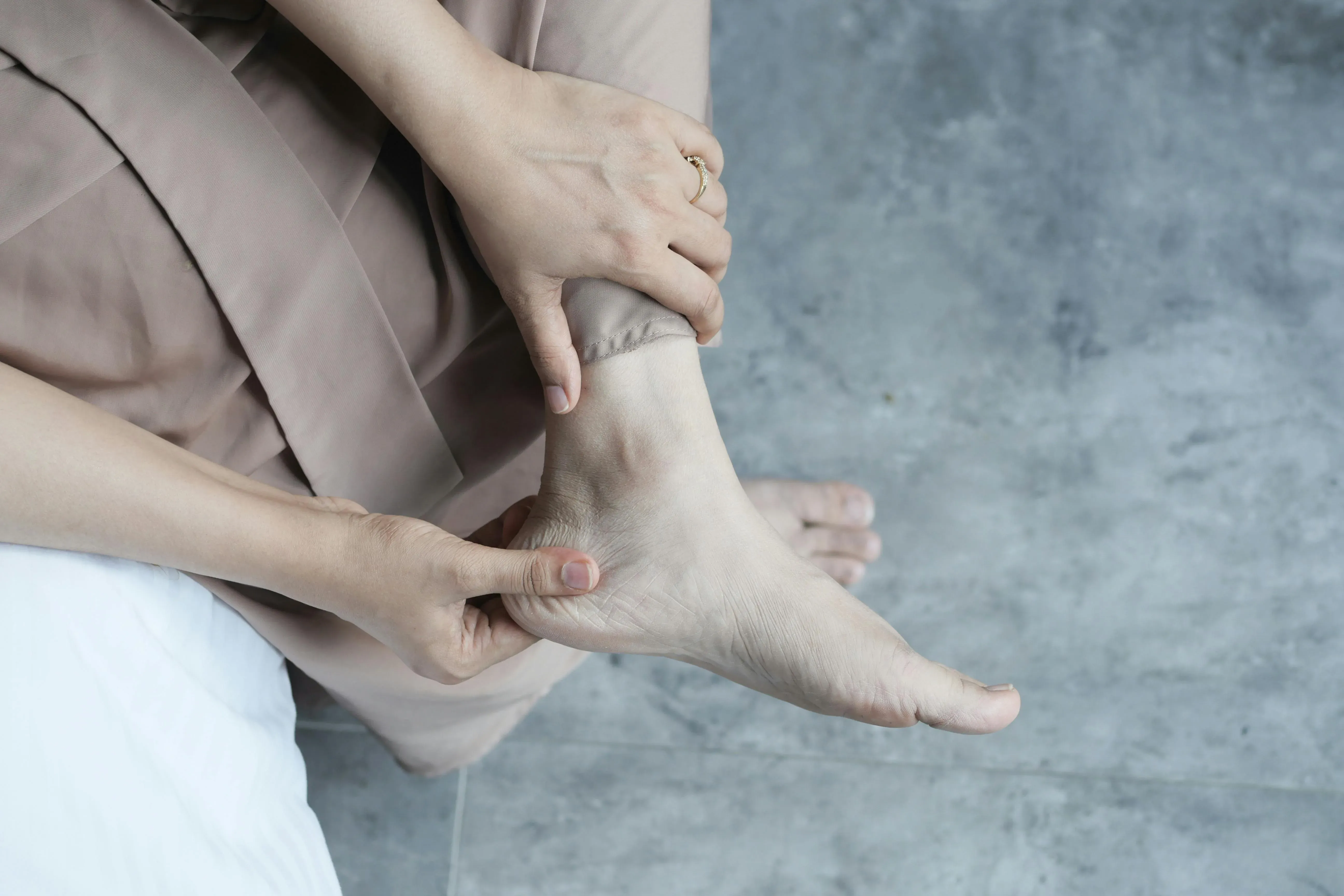
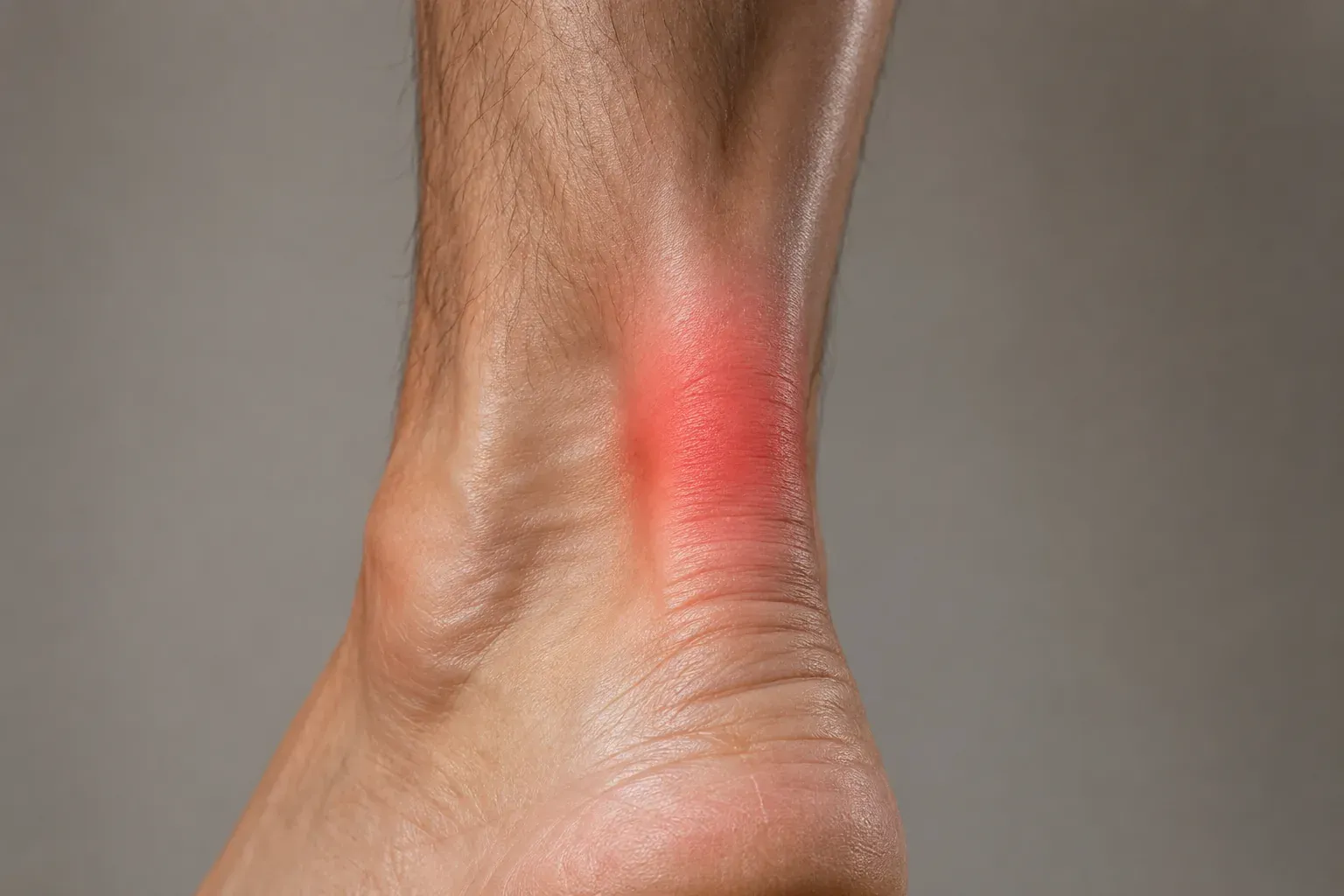
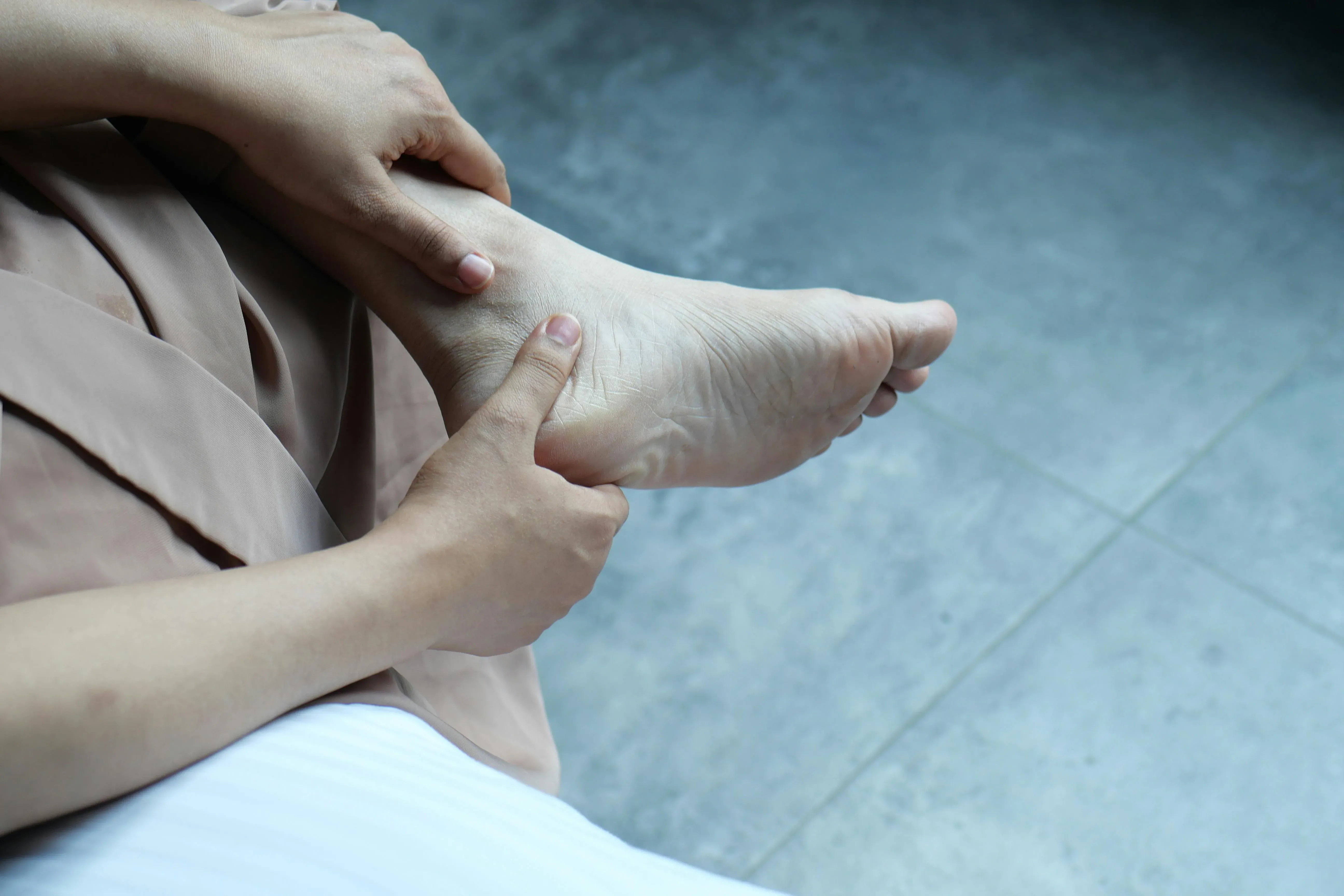
The heel bone (calcaneus) is an anchor point: the plantar fascia attaches below it, the Achilles tendon behind it, and a fat pad, several small nerves, and a bursa surround it. Each can fail in its own way, and each announces itself differently. Pain under the heel that stabs with the day's first steps usually means the fascia. Tenderness at the back of the heel where shoe counters rub points to the Achilles insertion or its bursa. A deep ache that grows with mileage can be bone stress. Burning or tingling suggests a nerve. Location plus timing narrows the list quickly.
The exam works structure by structure: pressing the fascia's attachment, squeezing the sides of the heel bone, loading the Achilles, tapping along the nerve's path, and measuring calf tightness, which drives more heel pain than most patients expect. Dr. Galant also watches you walk and reads the wear pattern on your everyday shoes. X-rays or ultrasound are added when the exam raises the possibility of a fracture, a tear, or arthritis, not as a routine step.
A new, mild ache deserves a week or two of supportive shoes and reduced impact. Past that, book a visit. The pattern in practice is remarkably consistent: recent heel pain responds fast, while heel pain that has been walked on for months has usually built a set of compensations (a shortened stride, a tight calf, an aching knee) that all have to be unwound too. Evening and Saturday appointments make it easier to come in before a short problem becomes a long one.
Call (201) 568-2100 promptly for: sudden severe heel pain after an injury or a pop; inability to bear weight; redness, warmth, or fever; numbness or tingling spreading through the foot. Urgent foot problems are worked into the schedule faster.
Treatment starts with the simplest option likely to work and escalates only when needed.
The first prescription is usually mechanical: a written calf and fascia stretching routine plus footwear guidance matched to the specific structure that hurts. Done daily, this alone resolves the majority of heel pain.
When your foot's mechanics keep overloading one spot, a prescription insert molded to your foot shifts that load elsewhere. Unlike a drugstore cushion, it changes position and force, not just padding.
A short series of in-office sound-wave sessions, typically weekly over several weeks, restarts healing in tissue that has stalled. No needles, no anesthesia, and no time off your feet.
A precisely placed cortisone injection can break a pain cycle that conservative care alone cannot. Surgical training matters here mostly as judgment: Dr. Galant operates on heels rarely, because very few of them need it.
Location and timing are the biggest clues. Pain under the heel that is worst with the first steps after rest points to the plantar fascia. Pain at the back of the heel that flares when you push off or when shoes rub points to the Achilles. A deep ache that worsens steadily with activity and throbs at rest raises the question of bone stress. The exam sorts these out definitively, usually in one visit.
Long sitting shortens and tightens the calf, and a tight calf transfers extra load to the heel the moment you stand. Add a weekend of catch-up activity on that unprepared tissue and you have one of the most common heel pain patterns in commuters. The fix targets the calf as much as the heel.
Look for a firm heel counter you can't collapse with your thumb, a cushioned but not mushy sole, and a slight heel elevation to reduce calf pull. Retire shoes with worn-down midsoles. Bring your usual pairs to the visit; specific recommendations depend on which structure is hurting.
Many patients need only one or two: the first to diagnose and start treatment, a follow-up to confirm progress. Stubborn cases that move on to shockwave therapy typically add a short weekly series of sessions. Chronic pain that has lasted a year or more takes longer, which is the best argument for coming in early.
When heel pain outlasts months of trying, one of four things is usually going on. None of them is 'just live with it.'
Read the article →That stabbing first-step pain has a specific cause, and it's one of the most fixable problems in podiatry.
Read the article →The Achilles heals on tendon time, not your calendar. Knowing the real numbers prevents both premature quitting and reinjury.
Read the article →One visit at our Tenafly office gets you a diagnosis and a plan. Call (201) 568-2100 or book online.